A Beginner's Guide to Specialty Coffee: Origin, Roast Profiles, and Tasting Notes
Step into any progressive third-wave cafe, and you will encounter the word specialty emblazoned across kraft bags, minimalist menus, and gleaming espresso machines. Far from a mere marketing buzzword, it represents a rigorous, measurable standard that separates an ordinary, bitter morning caffeine jolt from a complex sensory experience. Specialty coffee is not a single flavor profile, a trendy brewing gadget, or an expensive luxury; it is an unbroken chain of meticulous decisions spanning from a high-altitude hillside farm down to your kitchen counter. This beginner guide to specialty coffee origin roast profiles and tasting notes cuts through the industry jargon, focusing on the three foundational pillars that matter most: geographic origin, thermal roast development, and sensory evaluation. By mastering these basics, you can buy, grind, and brew with absolute confidence rather than blind guesswork.
What Makes a Coffee Specialty?
The term specialty is regulated and judged far more strictly than most consumers realize. Raw, unroasted green coffee is graded by licensed professionals known as Q Graders, who evaluate samples on a strict 100-point scale established by the Specialty Coffee Association (SCA). Only coffees that achieve a score of 80 points or higher earn the designation of specialty grade; everything scoring below is relegated to commercial commodity status. The final score is not based on subjective whim; it reflects a comprehensive matrix of sweetness, clean acidity, body balance, uniform cup cleanliness, and the total absence of primary defects such as mold, insect damage, or sour beans.
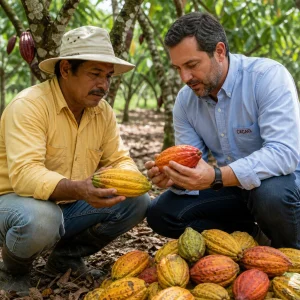
To achieve an 80-plus score, a coffee requires obsessive agricultural discipline. Farmers must selectively handpick only fully ripe coffee cherries, sort them meticulously, and dry them under optimal conditions. No amount of skilled roasting can ever rescue a poorly harvested, defective batch of beans. Furthermore, strict traceability is mandatory. A trustworthy bag of specialty coffee will never hide behind vague marketing. Instead, it names the country, region, specific washing station or farm, cooperative, coffee varietal, exact harvest altitude, and processing method. When you know who grew your coffee, you are investing in a distinct seasonal agricultural harvest rather than a homogenized, anonymous commodity blend.
Origin: Why Geography Shows Up in the Cup
Coffee is fundamentally an agricultural fruit, and much like fine wine, it captures the indelible signature of its terroir. Altitude, microclimate, annual rainfall, soil composition, shade management, and processing techniques push flavor profiles in wildly different directions. Beans cultivated at higher altitudes experience cooler nighttime temperatures, causing the cherries to mature much slower. This prolonged growth cycle yields a denser bean seed loaded with natural sugars and organic acids, which translates into brighter acidity, higher sweetness, and deeply layered aromatics.
Genetics play an equally vital role. Heirloom varietals like Bourbon and Typica offer classic, balanced elegance; the legendary Geisha varietal dazzles with ethereal jasmine and bergamot aromatics; Kenyan SL28 and SL34 cultivars deliver explosive blackcurrant intensity; while high-yielding Caturra and Castillo dominate modern Latin American plantations. Processing methods act as the final sculptor:
- Washed (Wet) Processing: The fruit flesh is removed mechanically before fermentation and water rinsing. This method highlights pristine clarity, crisp structure, and clean, fruit-forward acidity.
- Natural (Dry) Processing: Whole cherries dry intact under the sun. The bean absorbs sugars from the fermenting fruit, resulting in heavy body, syrupy sweetness, and ripe berry or tropical punch notes.
- Honey and Anaerobic Processing: Intermediate and experimental styles where mucilage is left on the bean or fermentation occurs in oxygen-free tanks, introducing wine-like complexity, spices, and exotic funk.
On a macro level, major global origins display distinct regional fingerprints. Ethiopian washed lots from Yirgacheffe exude white tea, lemon peel, and bergamot, while natural Guji coffees taste of concentrated blueberry jam. Kenyan cups punch above their weight with vibrant grapefruit acidity and a savory tomato-leaf note. Colombian beans offer comforting caramel, red apple, and milk chocolate balance. Brazilian beans are low in acidity, nutty, and chocolate-heavy, forming the backbone of traditional espresso blends. Central American coffees from Guatemala and Costa Rica deliver milk chocolate, orange citrus, and honey with silky textures. Meanwhile, wet-hulled Indonesian beans from Sumatra offer earthy, heavy, cedar-and-tobacco profiles.
Roast Profiles: The Roaster's Biggest Decision
Roasting is the critical thermal transformation where raw, grassy green seeds evolve into aromatic coffee beans. Inside the roasting drum, applied heat triggers complex chemical reactions—most notably the Maillard reaction and caramelization—while driving off moisture and developing the organic acids and sugars that build flavor. A master roaster's primary task is deciding how far to drive this thermal curve to match a specific bean's natural potential.
A light roast is dropped into the cooling tray shortly after the "first crack"—an audible, popping sound where expanding steam and gases force their way out of the expanding bean structure. Light roasts preserve the unadulterated character of the origin, showcasing delicate floral notes, vibrant fruit acidity, and tea-like bodies. While a poorly executed light roast can taste grassy or sharply sour, a masterfully developed light roast is the ultimate window into terroir.
A medium roast halts thermal development between the first and second crack. Acidity softens into a rounded framework, sweetness hits its zenith, and notes of brown sugar, milk chocolate, and toasted almonds emerge. This is the most forgiving profile for beginners because it bridges distinct origin characteristics with the comforting flavor associations most people expect from coffee.
Medium-dark roasts approach the threshold of second crack, where cellular walls fracture and essential oils migrate to the bean surface. Body increases significantly, acidity fades, and bitter-sweet chocolate, molasses, and roasted nut tones take center stage. Dark roasts push past second crack into deep pyrolysis, yielding smoky, resinous, and bittersweet flavors. While they excel in heavy milk-based drinks and traditional Italian espresso, heavy roasting completely erases the delicate, nuanced markers of origin.
Two practical storage rules apply once you purchase beans. First, inspect the roast date rather than an arbitrary expiration date; specialty coffee is perishable, hitting its optimal degassing and flavor window between one and three weeks post-roast. Second, respect degassing: freshly roasted beans emit carbon dioxide, which can temporarily mute extraction. Store them in airtight bags equipped with one-way degassing valves, keeping light roasts resting longer while consuming dark roasts relatively fresh.
How to Read Tasting Notes Without Feeling Foolish
When you read tasting notes like white peach, Meyer lemon, or wildflower honey on a specialty bag, understand two fundamental truths: these flavors are never artificially added, and tasting notes are not an elite exam that you can fail. They serve as shared sensory reference points. Professional cuppers utilize standardized vocabulary tools like the SCA Flavor Wheel to map out chemical compounds to common human memories. If a bag claims to feature bergamot and you have never personally smelled a raw bergamot fruit, you will still easily recognize the distinct, sweet citrus-floral lift it represents in the cup.
Structured coffee evaluation relies on five measurable attributes. Acidity is the lively, mouth-watering sparkle—resembling the refreshing bite of a crisp green apple—and must never be confused with unpleasant, sour staleness. Body describes tactile mouthfeel: whether the liquid feels light and tea-like, silky, creamy, or heavy and syrupy. Sweetness ranges from raw cane sugar and molasses to dried stone fruit. Balance evaluates whether these elements harmonize without any single attribute dominating aggressively. Aftertaste measures the pleasant length and cleanliness of flavor lingering long after swallowing.
You can easily practice professional cupping at home. Weigh out precise, identical doses of several different coffees into small ceramic bowls, grind them coarsely, pour boiling water over the beds, and let them steep undisturbed for four minutes. Break the floating coffee crust with a spoon while sweeping aromas toward your nose, then skim away the surface foam. Slurping the liquid deliberately from a spoon atomizes the coffee across your entire palate, instantly broadcasting aromatics to your retro-nasal passages. Taste the bowls repeatedly as they cool down, because different volatile organic compounds reveal themselves at varying thermal thresholds.
Matching Brew Method to Roast
Brewing is essentially a controlled science of extraction: hot water dissolves soluble flavor compounds out of ground coffee particles. Extract too little, and your cup tastes thin, salty, and sour; extract too much, and it turns astringent, hollow, and bitterly dry. Your roast level and brewing equipment must complement each other. Light roasts shine brightly in manual pour-over devices like the Hario V60, Chemex, or Kalita Wave, where paper filters maximize clarity and highlight delicate acidity. Medium roasts offer supreme versatility, working seamlessly in an AeroPress, automatic batch brewer, or moka pot. Medium-dark and dark roasts find their natural home in espresso machines and French presses, where heavy body, deep sweetness, and low acidity matter more than volatile aromatics. Cold brew extraction flatters almost any coffee profile, smoothing out sharp acids while amplifying chocolate and nutty sweetness.
A Beginner's Setup and the Mistakes to Avoid
Your coffee grinder is vastly more important than your brewing machine. A quality burr grinder crushes beans into uniform, consistent particles, which ensures even extraction rates. Cheap blade grinders chop beans into uneven boulders and microscopic dust fines, causing simultaneous over-extraction and under-extraction. Combine your burr grinder with a digital gram scale and a variable-temperature kettle, and you possess the core elements of a professional-grade home setup. Adopt a standard golden brewing ratio of one part coffee to sixteen parts water, using filtered water heated between 92°C and 96°C (198°F to 205°F), and calibrate your recipes from there.
Steer clear of these common beginner pitfalls:
- Purchasing pre-ground coffee, which oxidizes and loses its aromatic integrity within hours.
- Ignoring roast dates and brewing stale, months-old beans.
- Measuring coffee volume with kitchen spoons instead of weighing precise grams on a digital scale.
- Adjusting multiple brewing variables simultaneously, making it impossible to diagnose what worked.
- Storing your precious beans in the refrigerator or clear glass containers on a sunlit counter; keep them sealed in dark, cool pantries.
- Blaming the coffee beans for a bad cup before checking if your grind size simply needs to be adjusted finer or coarser.
A Simple Buying Checklist
When shopping for your next bag, look for a certified roast date stamped within the last two to four weeks, whole bean formats, and complete geographic traceability. Buy smaller bags—250 grams is ideal because you will finish the coffee well before volatile aromatics degrade. Do not hesitate to ask your local roaster for brewing advice; specialty coffee professionals love sharing extraction recipes. Explore one single origin at a time, transition to a new processing method next, and compare notes side by side. Specialty coffee rewards active curiosity over extravagant spending, and your greatest asset is a consistent, repeatable brewing routine.
"
}